In short —
Matcha is shade-grown green tea ground to powder and drunk whole; green tea is steeped and strained. Shading for 20–30 days raises chlorophyll and L-theanine, giving matcha its vivid color and calm focus. Because you consume the entire leaf, one bowl of matcha carries roughly three times the antioxidants of a steeped cup — and a slower, smoother caffeine curve.
Same plant, different life
Both come from Camellia sinensis, but their paths split three weeks before harvest. Matcha bushes are shaded under bamboo mats for 20–30 days, forcing the leaf to overproduce chlorophyll and L-theanine — the source of the vivid jade color and the calm focus drinkers describe.
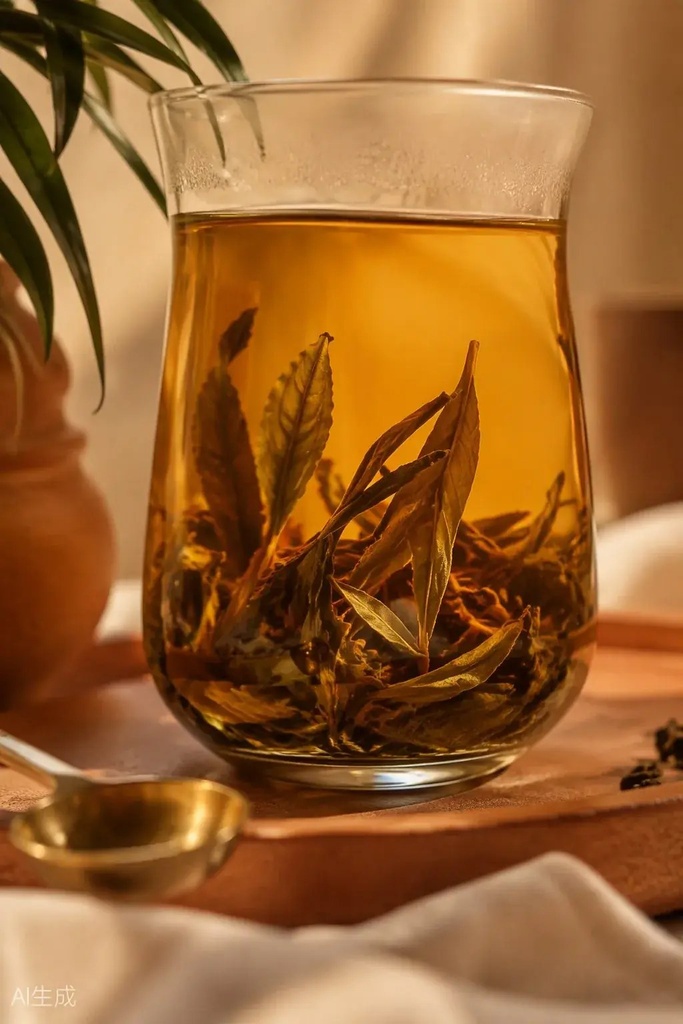
Green tea, by contrast, grows in full sun, is steamed or pan-fired within hours of picking, then rolled and dried. You steep the leaf and strain it away — drinking an infusion, not the leaf itself.
What changes in the cup
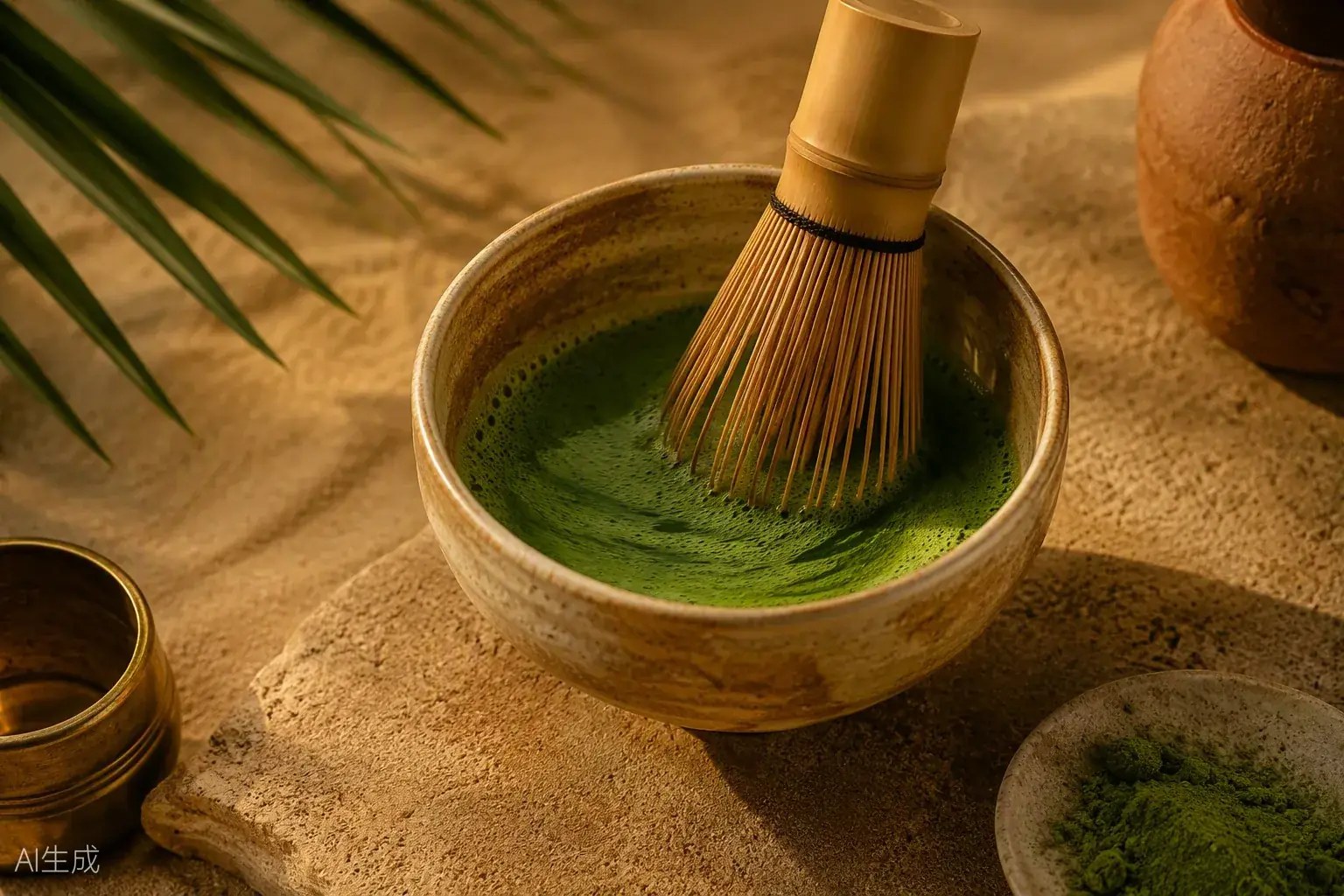
Because you whisk the whole powdered leaf into water and drink it, one bowl of matcha delivers roughly three times the antioxidants of a steeped green tea. The caffeine lands differently too: bound to L-theanine, it releases over four to six hours instead of spiking.
Flavour follows the same logic. Matcha is thick, grassy and sweet-umami; green tea is lighter, brisker, more astringent. One is a meal of a cup; the other a refreshment.
Green tea is the leaf's letter to the water. Matcha is the leaf itself, arriving in person.
Which one belongs in your ritual
Choose matcha for mornings that need long, steady attention — it asks for a bowl, a whisk and two unhurried minutes. Choose green tea for afternoons, for guests, for a second and third steep across a conversation.
In the UAE heat, both behave well iced — but only green tea forgives a cold brew overnight in the fridge. Matcha should always be made fresh and drunk within the hour.